
SEARCHING FOR A “WEDDING DJ NEAR ME?”
Your wedding DJ search is over! We would love the opportunity to be your DJ entertainment service, please reach out to us as soon as possible to check availability for your special day.
5-star rated interactive and versatile Wedding DJ serving Virginia Beach, Norfolk, Chesapeake, Portsmouth, Newport News, Hampton, Williamsburg, Yorktown, Richmond, Nags Heads, OBX, Poquoson, Smithfield, Suffolk, Gloucester, Deltaville, Carrsville Hampton Roads, OBX Outer Banks Nags Head North Carolina and beyond. DJ Karizma Entertainment is available for National and International Booking.


Congratulations on your engagement and thanks for checking out my website. Planning for your wedding day can be a fun and memorable experience. In addition to selecting your wedding venue, it is safe to say that selecting your wedding DJ is probably one of the most important decisions in making your special day complete. My team and I are ready to rock your reception and give you and your guests an epic and unforgettable experience.
WHO IS DJ KARIZMA?
Chris “DJ Karizma” August, Owner of DJ Karizma Entertainment LLC, is a professional multi-genre DJ originally from the country of Belize (Caribbean / Central America), where he was entertaining at destination beach weddings since 2009. He relocated to Hampton Roads, Virginia in late 2017 where he now bases his services. Karizma is known as an interactive and outgoing DJ who can accommodate a guest list comprised of various ages, backgrounds, and musical tastes.
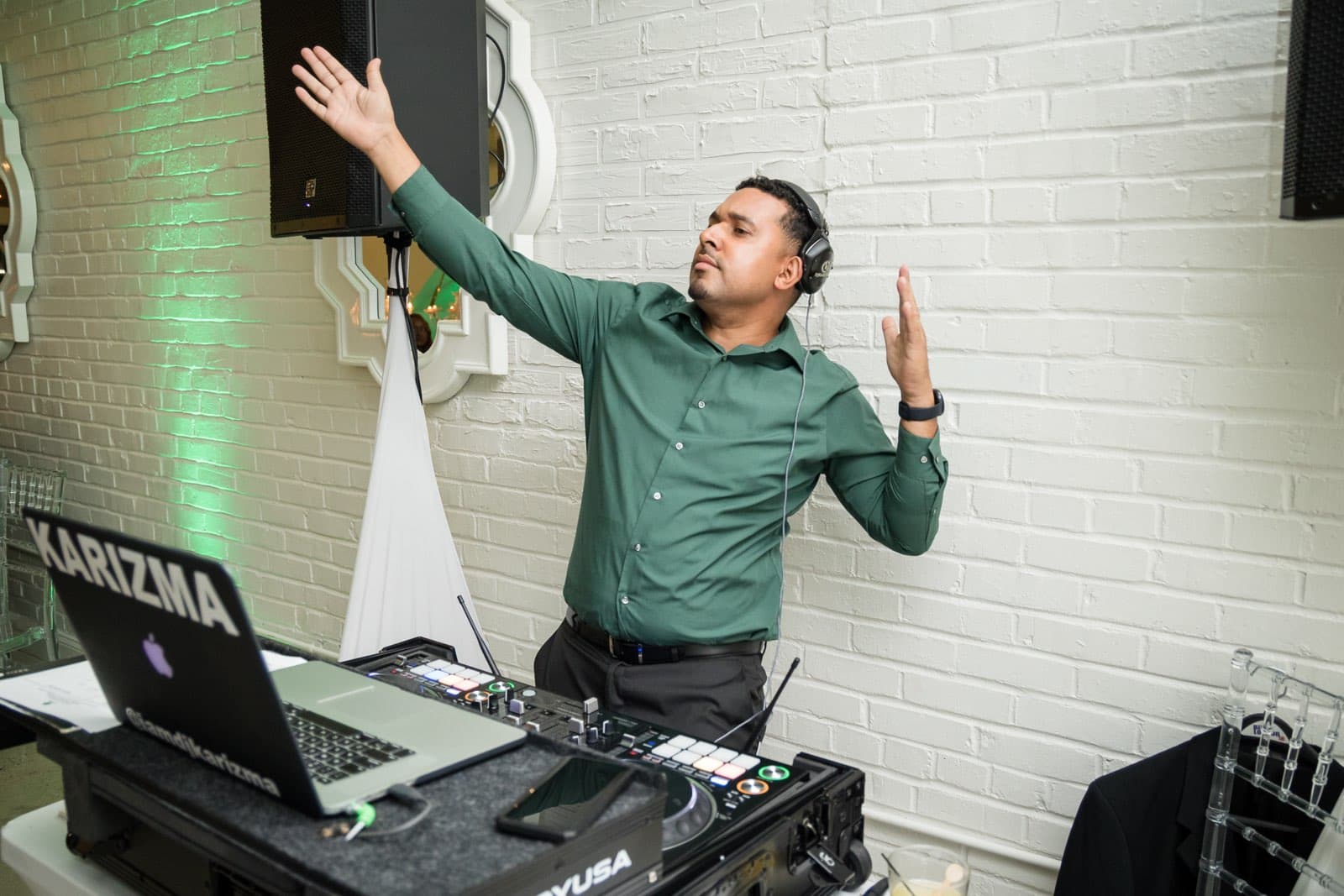
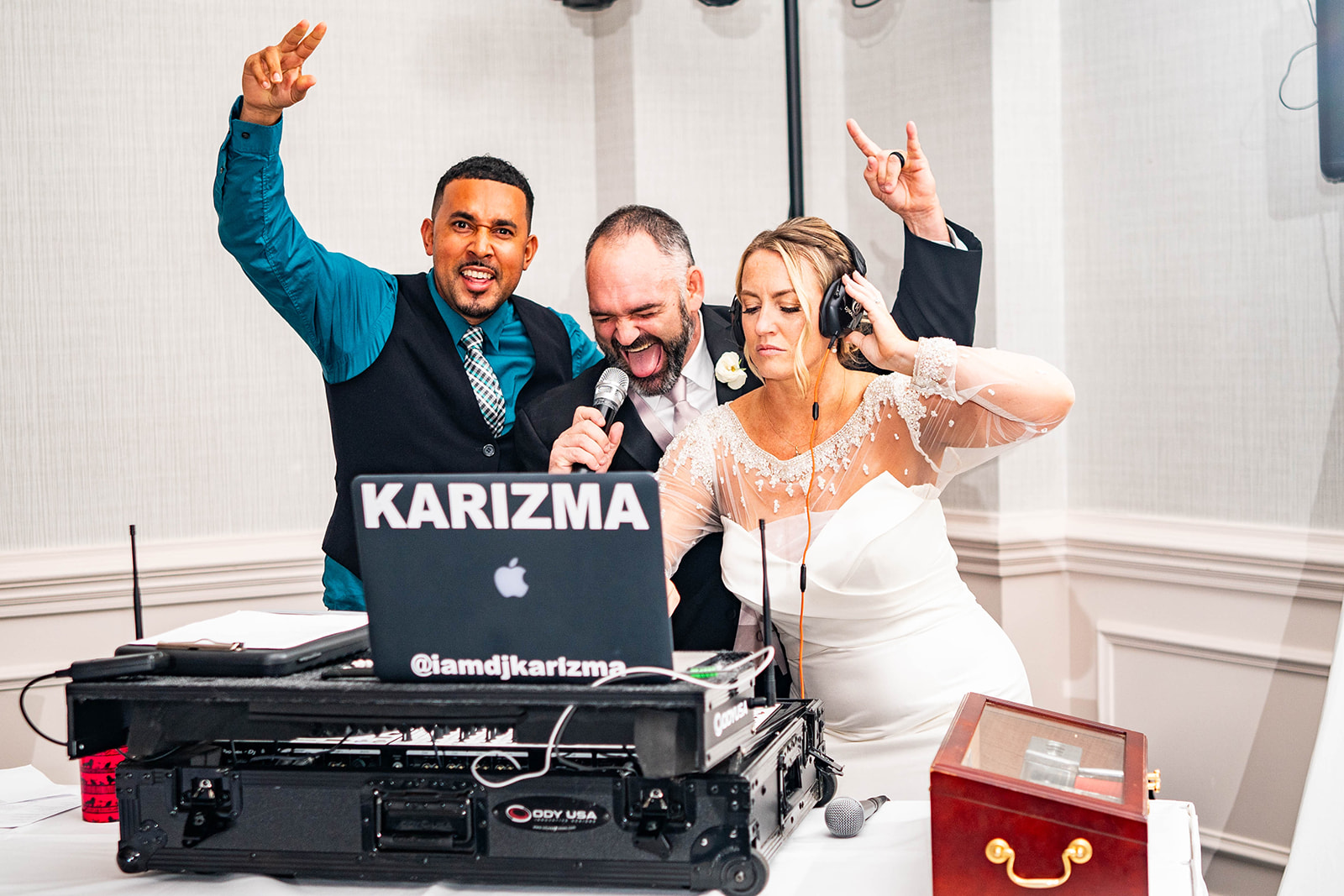
DJ Karizma Rocking Wedding Reception At The Hampton – Smartshot Photography
YOUR BEST DAY DESERVES THE BEST DJ
Give this international Belizean DJ and his team the opportunity to provide the soundtrack to the best day of your life. To help fulfill all your ideas, send us an email with your inquiry with as much detail as possible to karizmabookings@gmail.com or visit our contact page and take advantage of the booking calendar.
I know trusting a stranger with one of the most important days of your life can seem a bit scary, but we want you to know that your wedding day is just as important to us. As your wedding DJ, We plan to make the music the least of your worries on that day with a customized playlist. As your wedding MC, we will make all necessary announcements to ensure a smooth evening and all ceremony and reception activities occur as scheduled. Don’t just take it from me, check out our WeddingWire and Facebook pages and read some reviews from past clients. You can also view videos and photos of us in action on our Instagram.
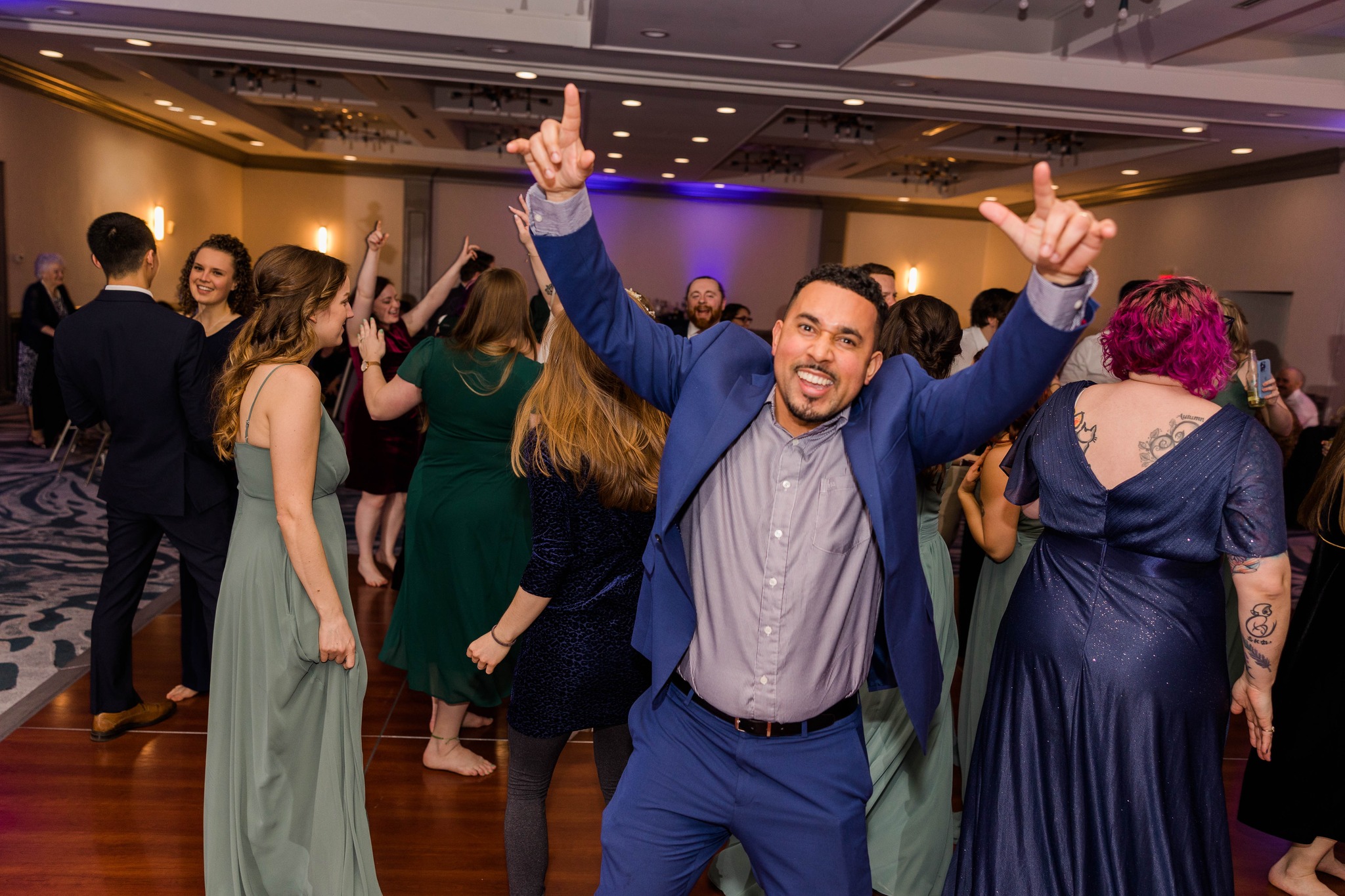
Zack and Tara Photography – DJ Karizma
WEDDING DJ SERVICES
At your request, a detailed price list with additional services available can be emailed to you. Send inquiry emails to karizmabookings@gmail.com
Our Epic Reception Package starts at $1,100.00 and includes the following:
- Reception and Cocktail Hour Coverage Only
- Professional DJ performance services for up to 5 Hours
- High-energy Host/Master of Ceremonies to make announcements and execute the timeline activities
- Premium modern sound system reception setup in 1 location/room adequate for up to 150 guests
- Compact speaker system and music source for cocktail hour at a 2nd location
- Professional wireless microphone
- Unlimited consultations: in-person, phone, email, or video chat
- DJ dressed in event-appropriate attire
- DJ equipment set up and breakdown
- Travel within a 40-mile radius of Hampton, VA
- Music timeline planning assistance and music worksheets
- Extensive music library / Customized playlists / Song recommendations / Do not play list
GIVE ME AMBIANCE! UPLIGHTING EFFECT
Details are everything and lighting can really set the mood. Make your event pop with Uplighting, a striking way to dramatically change the feel of your event space. You can even set the lights to match your event color palette to start, begin fading the colors later in the event, and then engulf your party in dance-active lighting deep into the dancing! You also have the option to feature Uplights in specific areas, like the dance floor, head table, cake table, etc.
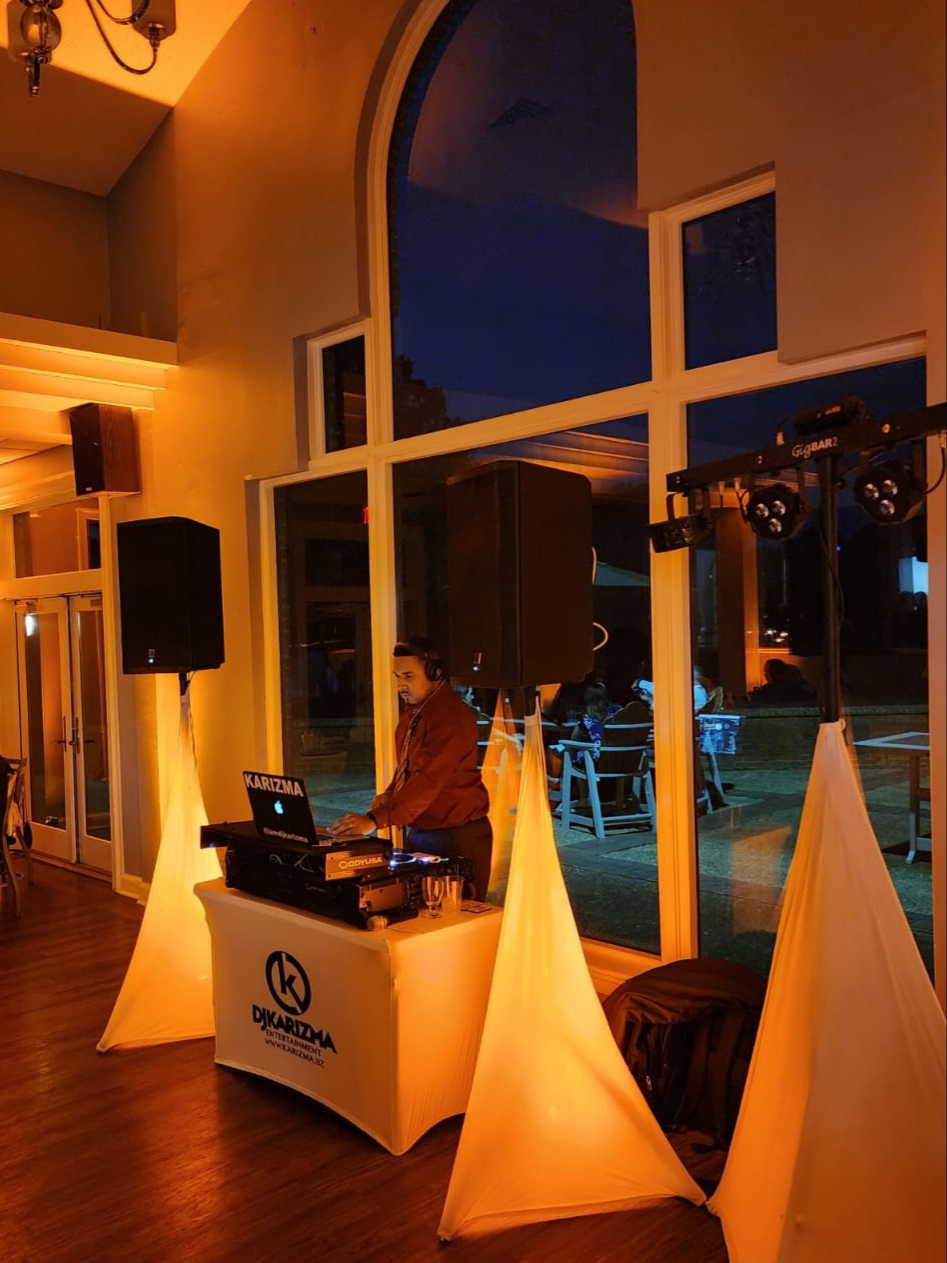
DJ Karizma Uplighting Effect Wedding Virginia Beach
Each of our Uplighting packages is customized to the needs of your venue and includes:
- Completely wireless and battery-powered for placement anywhere. (No messy cords that guests could possibly trip on)
- Customizable color scheme, including intensity level
- Controlled wirelessly from the DJ booth
Uplighting gives you the opportunity to create an absolutely gorgeous, and romantic ambiance in your wedding reception ballroom. It is pretty much painting the walls in a color of your choice with LED lighting.
DJ KARIZMA INSTAGRAM FEED
View this profile on Instagram
Congratulations and thank you for your time and consideration.
We look forward to serving you…anywhere!
QUALITY SOUND! QUALITY-SERVICE!
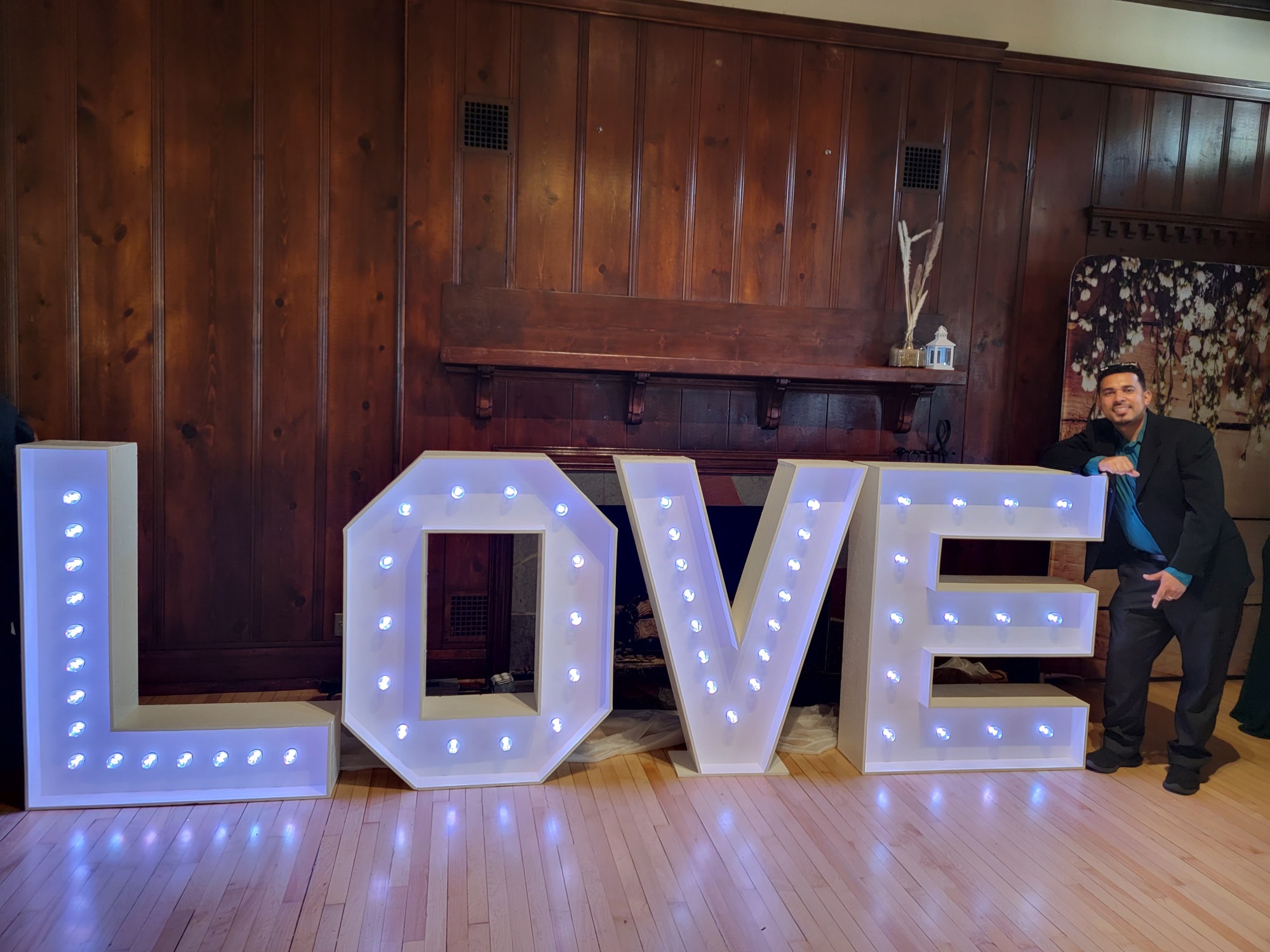
Wedding LED Love Sign Custom DJ Karizma Entertainment
TAGS: Wedding DJ Virginia Beach Near Me Hampton Roads Norfolk Newport News Williamsburg Chesapeake Smithfield Poquoson Yorktown Portsmouth Suffolk Richmond Nags Head Gloucester Deltaville OBX Outer Banks Carrsville Event Entertainment Service VA Latino Hispanic Caribbean Culture Local Interactive Reggae Country Hip Hop Reggaeton Soca Pop EDM House Uplighting Gobo Monogram Projection Club Party Corporate Holiday Quinceanera Birthday DJ Karizma Entertainment LLC Services International Destination National Luxury Posh Ceremony Reception Multicultural Wedding Entertainment